Interconnectivity is the Key to Success: CBF-EbA Dominican Republic Project Shares Lessons on Building Resilient Livelihoods
REDDOM's EbA project successfully linked mangrove restoration, beekeeping, fishing, and cacao production to create a stronger economic safety net in El Limón, Samaná.
© Rosa Lamelas, CBF
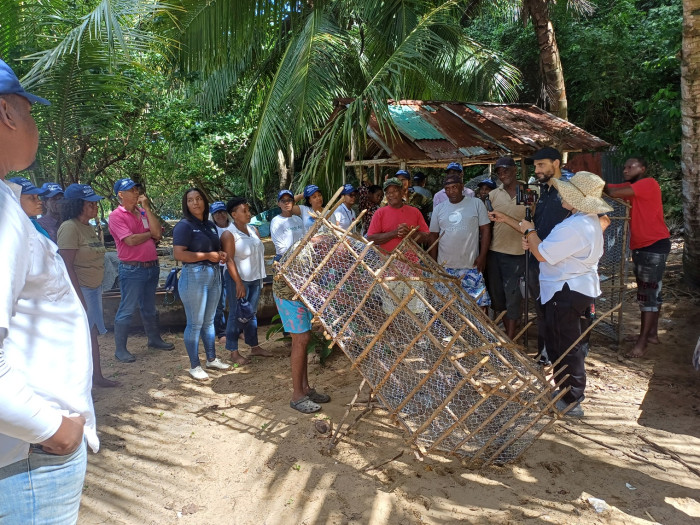
The REDDOM Foundation, implementing the "Scaling up alternative and sustainable livelihood initiatives" project in El Limón, recently held a theoretical and in-person workshop to share key lessons learned and significant progress. The event brought together various stakeholders, including the Vice-Director of the El Limón Municipal District, representatives from the school sector, the Ministry of Agriculture, beekeepers' and fishermen's associations, women mini-entrepreneurs and other beneficiaries.
© Rosa Lamelas, CBF
Key takeaways highlight the project's strategic success:
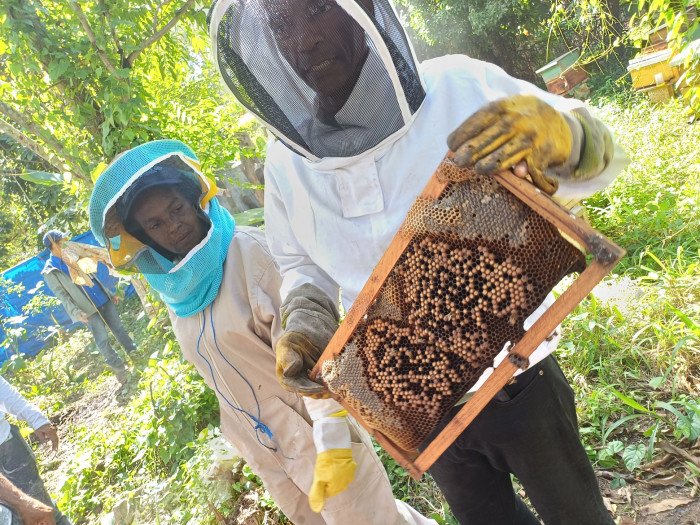
- Interconnectivity is the Key to Success: The most successful strategy was intentionally linking every action. Mangrove restoration supports fishermen and beekeepers; beekeeping is linked to mangrove health and uses by-products from cacao and fruit farmers for products like honey soaps. This circular approach creates strong economic resilience.
- Formal Agreements Ensure Sustainability of mangrove restoration: Long-term sustainability for rehabilitated areas was secured by signing formal agreements with landowners who took responsibility for restoration maintenance. This model is suggested for sharing as a model for similar experiences in the Caribbean. Furthermore, a new alliance with the local high school will integrate students into long-term maintenance.
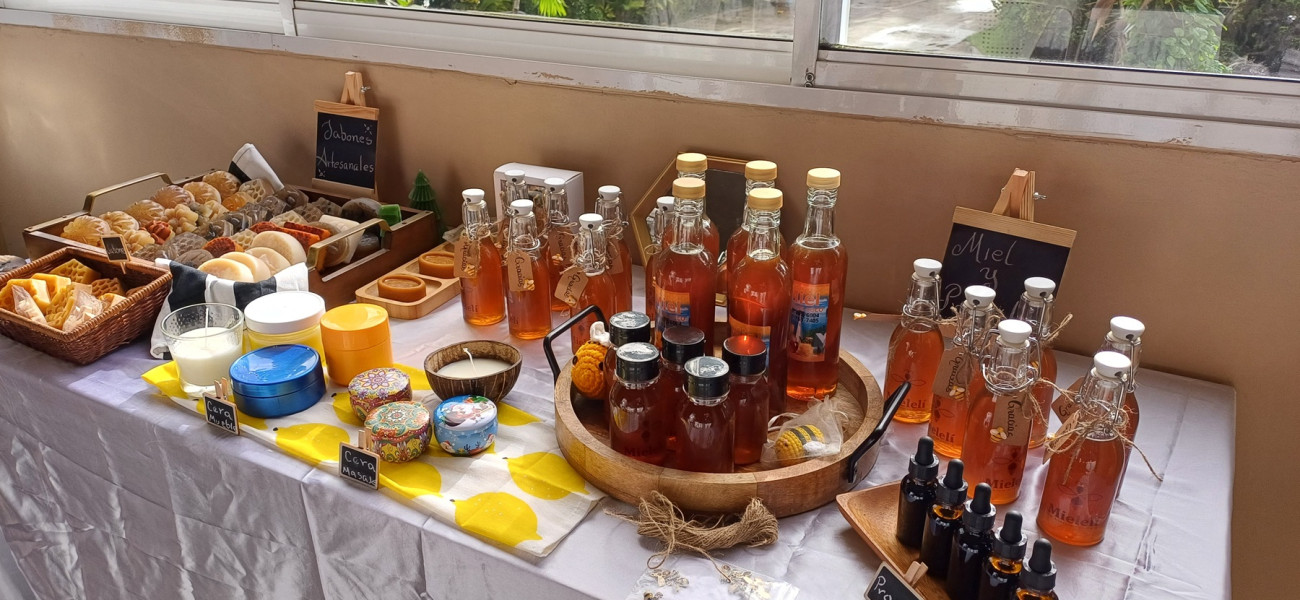
- Value-Added Products Amplify Economic Resilience: The project successfully trained women’s groups to process raw goods—turning fish into meatballs and sausages, and honey/cacao into soaps and candles.
© Rosa Lamelas, CBF
Testimonials showed remarkable growth: beekeepers increased from 3 to 36 organized members, and organized active fishermen grew from 22 to 59.
- Country: Dominican Republic
- Contact: