Advancing Towards Sustainable Refrigeration: Greener Reefers at Intermodal Europe in Barcelona
The international delegation of Greener Reefers arrived in Barcelona to participate in Intermodal Europe, strengthen global partnerships, and advance the implementation of more sustainable, low-emission cold chains.
© GIZ
Refrigerated maritime transport faces a major challenge: reducing greenhouse gas emissions generated by unsustainable refrigeration practices, which continue to impact global temperatures. To address this issue, the Greener Reefers project is driving the transition to sustainable, low-emission maritime refrigeration solutions by promoting the adoption of shipping containers (Greener Reefers) with natural refrigerants, enhancing the units’ energy efficiency, and strengthening technical capacities in partner countries.
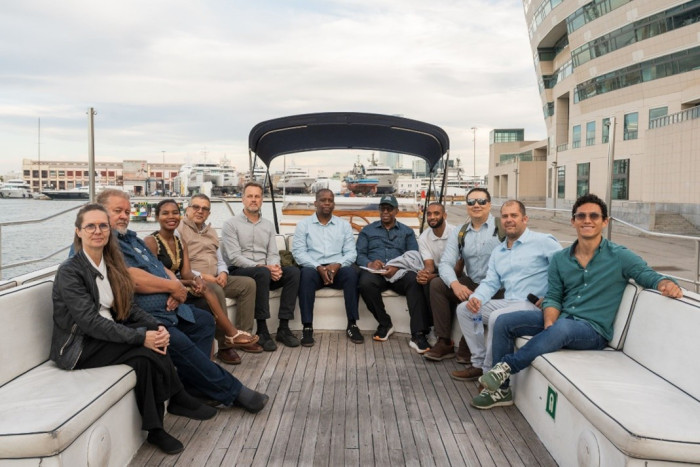
In October 2025, a delegation from Costa Rica, South Africa, and the global GIZ team traveled to Barcelona to participate in Intermodal Europe 2025, with the goal of reinforcing international cooperation, learning from industry leaders, and preparing for the practical implementation of Greener Reefers initiatives. The visit provided a unique opportunity to observe firsthand how key players in logistics and refrigeration are advancing towards sustainable cold chains.
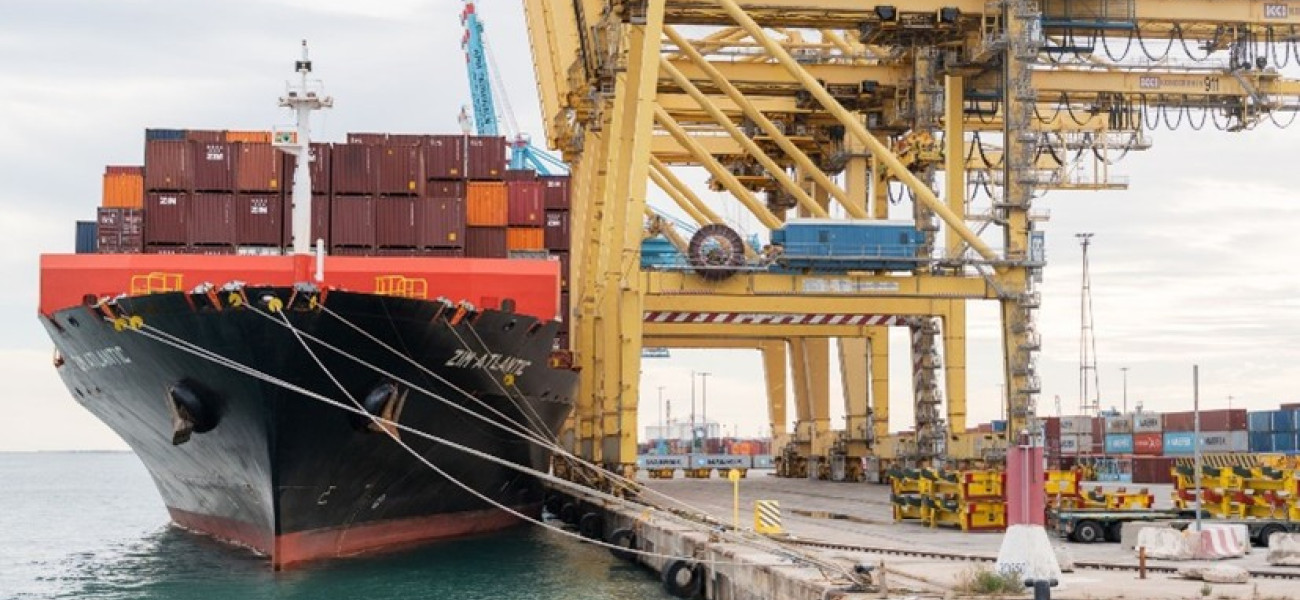
During the week, the delegates conducted key visits, including to Escola Europeia – Intermodal Transport, where they explored operations in the Port of Barcelona, multimodal logistics, and cold chain infrastructure. This provided a comprehensive understanding of how reefers and sustainable refrigeration are managed in a leading international port, with practices that can be replicated in other regions.
In addition, participation in Intermodal Europe 2025 allowed the delegates to engage with global stakeholders, attend panels on maritime transport and logistics trends, and present a dedicated session on the Greener Reefers project as a model of low-emission innovation in refrigerated maritime transport. This presentation was essential for explaining the context and benefits of a technological transition aligned with international policies for emissions reduction and global warming mitigation.
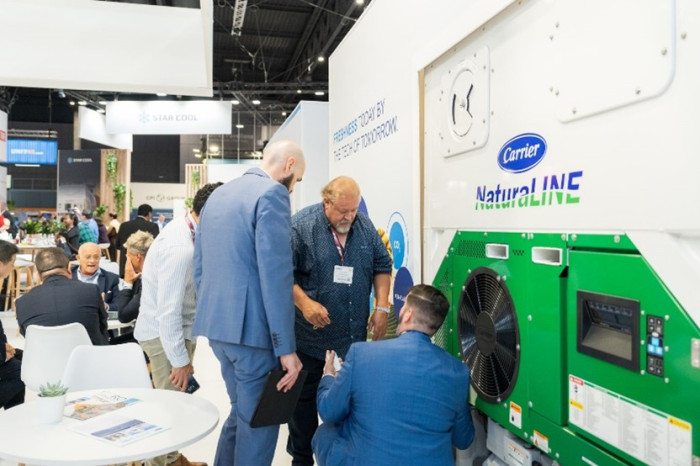
The delegation also had the opportunity to conduct a technical visit to Thermo King Europe, which provided detailed insights into the design and testing of R290 and CO₂ refrigeration units, thus strengthening understanding of emerging refrigeration technologies.
© GIZ
The week concluded with a full-day technical workshop that brought together project partners, industry experts, and regulatory authorities to discuss refrigerant safety, prototype development, cost modeling for maritime decarbonization, and capacity-building measures, including training technicians in partner countries.
They also addressed inclusive practices and opportunities for women’s participation in the refrigeration, air-conditioning, and heat-pump sector. In addition, they outlined the prioritized next steps for the project at the national levels, for Costa Rica and South Africa, as well as at the global level.
© GIZ
- Country: Costa Rica
- Project:
- Contact:
Kirsten Orschulok