Communities of the CCR Project Define Their Climate Change Adaptation Strategies
True resilience is built from the ground up. In Cuba, Haiti, and the Dominican Republic, communities are taking control of their climate future by co-designing 15 Ecosystem-Based Adaptation (EbA) plans. Backed by tangible achievements, such as soil rehabilitation and improved access to water, the CCR project now aims to strengthen governance and mobilize resources to scale these solutions over the next 10 years.
© WHH Santo Domingo
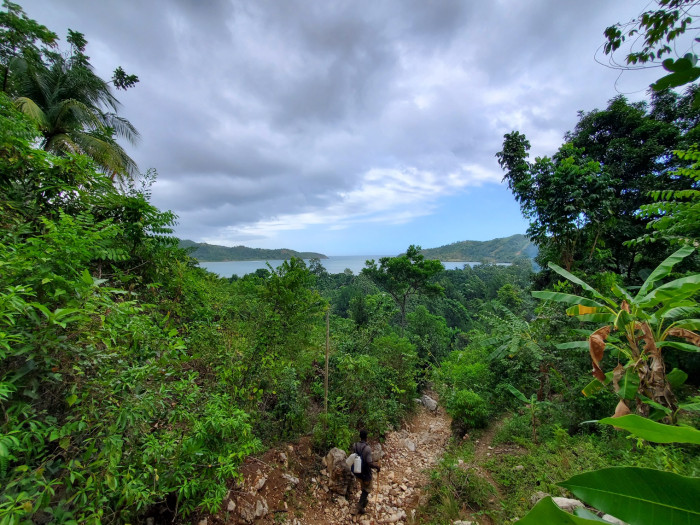
Events such as Hurricane Melissa’s passage through the Caribbean, along with other extreme events affecting the region, highlight the climate crisis impacting the Caribbean Biological Corridor. These occurrences reveal an urgent need: we must protect our ecosystems, so they can protect us in turn. In this context, Ecosystem-Based Adaptation (EbA) emerges as a vital strategy. By restoring nature, biodiversity is recovered and ecosystem services that serve as natural barriers against floods and droughts are strengthened, directly safeguarding the lives and livelihoods of the most vulnerable populations.
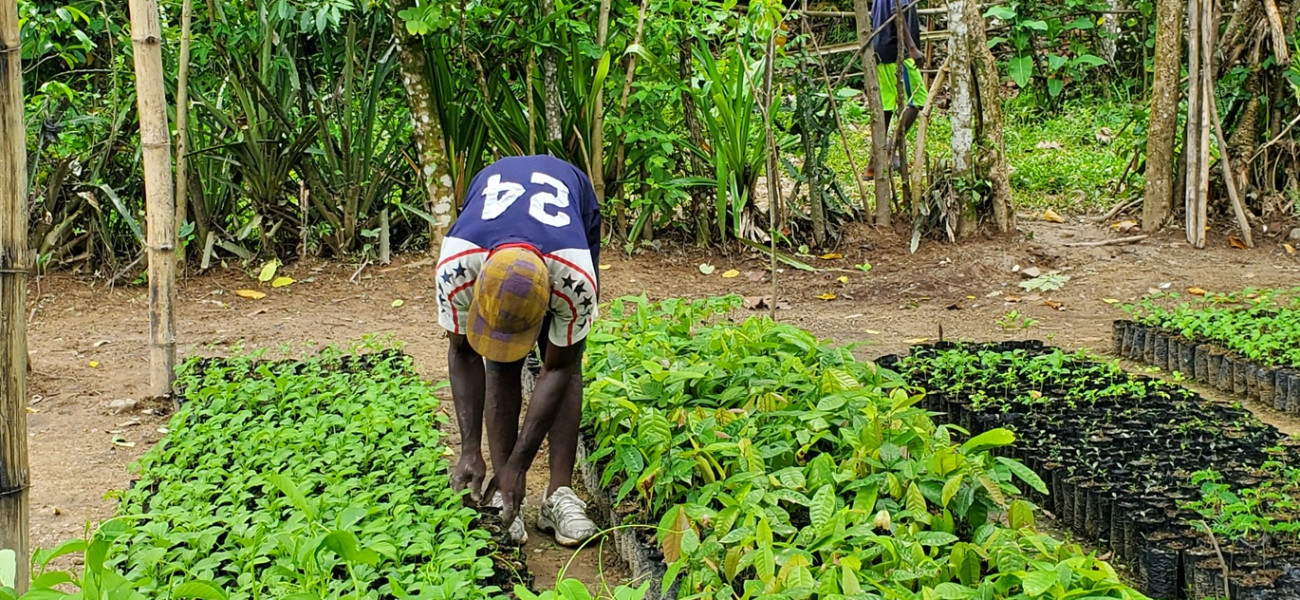
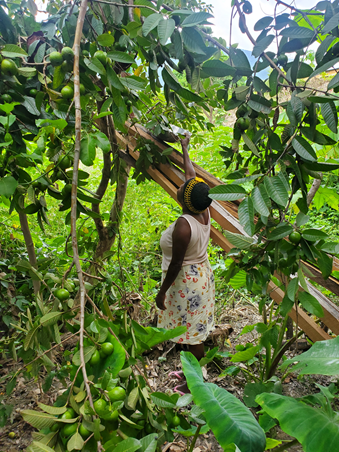
To address this challenge, the Caribbean Climate-Resilient Communities (CCR) Project – led by Welthungerhilfe with OroVerde and implemented by local partners – has undertaken a rigorous participatory process. Through socio-environmental assessments and climate change training workshops, key stakeholders, including producers, authorities, civil society, and community leaders, prioritized EbA measures in their regions. Thanks to this co-design approach and the technical support of OroVerde, 15 of the 16 planned Ecosystem-Based Adaptation plans have been developed and will soon be available on the CCR project website (www.ccr-project.com). These plans include a socio-environmental and climate diagnosis for each area, and compile the EbA measures prioritized by key stakeholders according to local characteristics and community needs. While these documents provide a roadmap, action is already underway: priority measures, such as reforestation and water harvesting, are being implemented to benefit local communities.
© WHH Santo Domingo
With a projected lifecycle of 5 to 10 years, the success of these plans will depend on their on-the-ground implementation and, fundamentally, on local governance. Coordinated collaboration among multiple stakeholder groups, as well as integration of the EbA approach into municipal development plans and sectoral policies, are therefore essential. This coordination not only validates tangible achievements, such as those already realized by the CCR project, but is also critical to mobilizing additional financial resources to scale and sustain these adaptation strategies over time.
© WHH Santo Domingo
- Country: Cuba, Haití, Dominican Republic
- Project:
- Contact:
Emmanuel Batista Moreta
Communication & Visibility Officer - CCR Project