Toward a More Sustainable Maritime Cold Chain: Report on Green Cooling Containers Is Now Available
© Greener Reefers
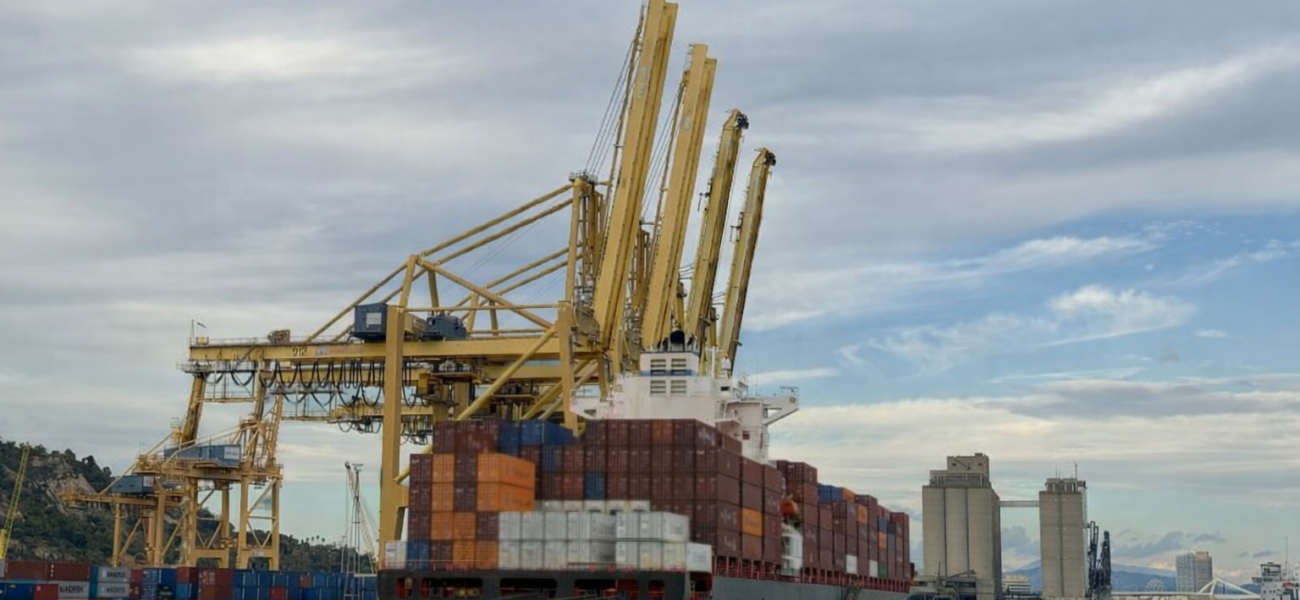
Refrigerated maritime transport is an essential component of global trade. It allows food, pharmaceuticals, and other perishable or temperature-sensitive goods to reach markets around the world in optimal conditions. For many countries in Latin America, this system is not only important, but strategic for international competitiveness.
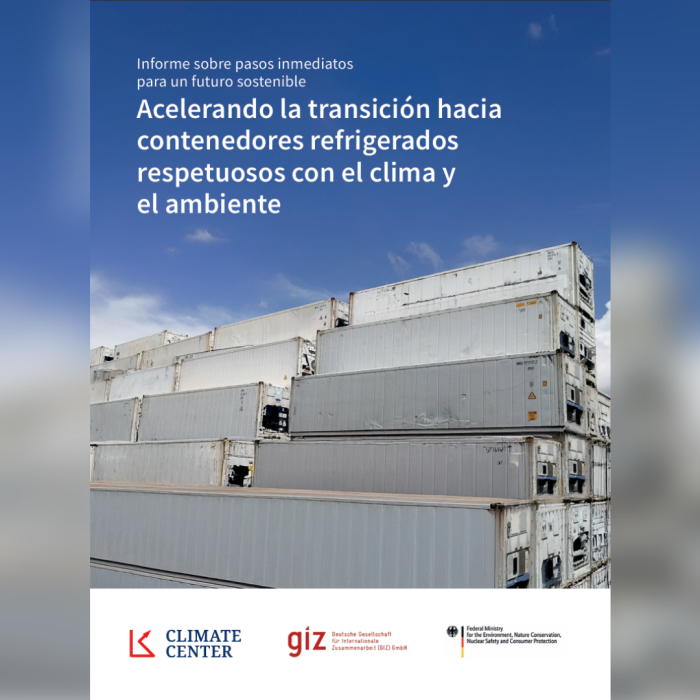
In this context, access to updated key information becomes relevant for transforming the sector and cold chains toward far more sustainable models. For this reason, the Greener Reefers project, implemented by GIZ (from its acronym in German) on behalf of the Federal Ministry of Environment, Climate Action, Nature Conservation and Nuclear Safety (BMUKN, from its acronym in German), and the Kuehne Climate Center have worked jointly to make the report “Green Containers: Accelerating the Transition to Climate- and Environmentally Friendly Refrigerated Containers” available in Spanish. The document is intended for policymakers, logistics operators, port authorities, manufacturers, financial institutions, and the general public interested in actively participating in the transition toward more sustainable refrigeration technologies.
A Key Sector Under Climate and Regulatory Pressure
Maritime transport accounts for approximately 3% of global greenhouse gas emissions, and refrigerated containers (reefers) contribute significantly due to their energy consumption and the use of synthetic refrigerants with high climate impact.
In addition, the international regulatory context is evolving rapidly. Frameworks such as global climate targets and policies promoted by the International Maritime Organization (IMO), the Paris Agreement, and the Kigali Amendment are redefining maritime transport standards and accelerating the need to decarbonize the sector.
© Greener Reefers
The Challenge: Current Technologies with High Environmental Impact
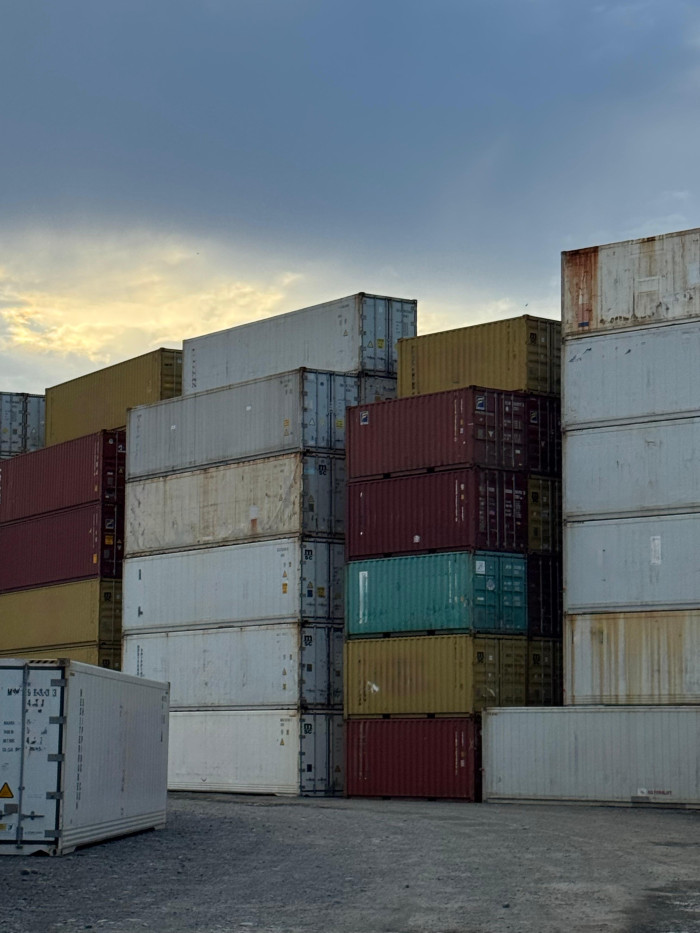
Currently, the vast majority of refrigerated containers use synthetic refrigerants, such as R134a or R404A, which are characterized by their high global warming potential.
The report highlights one especially relevant fact: refrigerant leakage rates can reach as high as 25% in conventional systems. This means that, beyond energy consumption, the direct climate impact of these technologies remains high.
In addition, some of these systems are associated with the use of “forever” or persistent chemicals, such as certain PFAS compounds, which can accumulate in water, soil, and the food chain, creating risks for health and the environment.
The Solution: Available Technologies and Operational Improvements
One of the report’s main conclusions is that the transition is already viable from a technological standpoint.
Among the most notable solutions are:
- The use of natural refrigerants, such as propane (R290) or CO₂ (R744), with significantly lower climate impact;
- Improvements in system design to reduce leaks; and
- Energy-efficiency measures that can reduce indirect emissions from refrigerated containers by up to 20%.
These improvements include:
- Better equipment insulation;
- Smarter temperature-control systems; and
- Optimization of logistics operations.
The report emphasizes that these solutions not only reduce emissions, but also provide economic benefits in the medium and long term.
© Greener Reefers
A Clear Roadmap for Accelerating the Transition
Beyond the technical analysis, the document offers a concrete roadmap based on four key action areas:
- Deployment of climate-sustainable technologies;
- Strengthening regulatory frameworks;
- Development of technical capacities and training; and
- Mobilization of financing and investment.
Through real examples and international best practices, the report translates these areas into applicable recommendations for different actors in the sector.
A Strategic Opportunity for Latin America
The Spanish-language publication is especially relevant for Latin America, where many countries depend on refrigerated transport to export key products such as:
- Fruit and agricultural products;
- Meat;
- Fish and seafood; and
- Flowers and other perishable goods.
In this context, adopting more sustainable technologies in reefers can generate tangible benefits for the region, such as:
- Greater access to and positioning in international markets
Environmental standards are becoming increasingly demanding. Reducing the carbon footprint of the logistics chain can become a competitive advantage. - Long-term regulatory certainty
Adapting now to international regulatory changes helps avoid future risks and facilitates trade. - Operational efficiency and cost reduction
Improvements in energy consumption and equipment maintenance can translate into significant savings. - Technological development and investment opportunities
The transition toward sustainable cold chains opens the door to innovation, training, and financing in the region.
A Necessary Step Toward Resilient Supply Chains
The report’s message is clear: transforming refrigerated maritime transport is not a future option, but a present necessity. The transition toward more sustainable reefers makes it possible to reduce emissions, protect the environment, improve economic resilience, and ensure the long-term viability of global cold chains.
- Country: Antigua and Barbuda, Bahamas, Barbados, Belize, Costa Rica, Cuba, Dominica, El Salvador, Global, Grenada, Guatemala, Guyana, Haití, Honduras, Jamaica, Nicaragua, Panama, Dominican Republic, Saint Kitts and Nevis, Saint Vincent and Grenadines, Saint Lucia, Suriname, Trinidad and Tobago
- Project:
- Contact:
Andrés Domian Astorga